QUELEN / Solutions / 25
Modular Chassis Guestroom Control
Modular chassis control for projects that need flexible I/O, staged fit-out and room for later expansion.
Rack-based modules · flexible I/O · expansion without controller replacement
Overview
Rack-based control modules for flexible I/O, staged fit-out and later project expansion.
SOLUTION / MODULAR CHASSIS
Expand I/O without replacing the room controller.
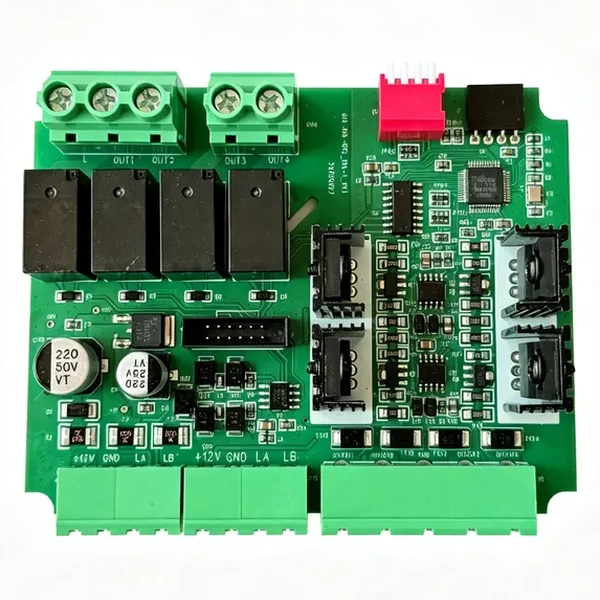
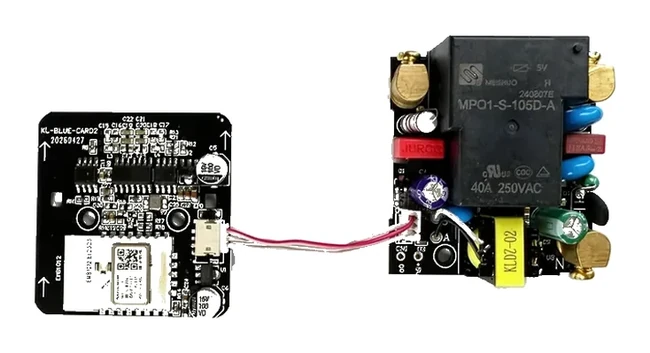
A modular chassis separates the control head from the I/O cards. That makes it easier to stage a floor, add a function later, or keep a spare slot instead of re-engineering the whole room.
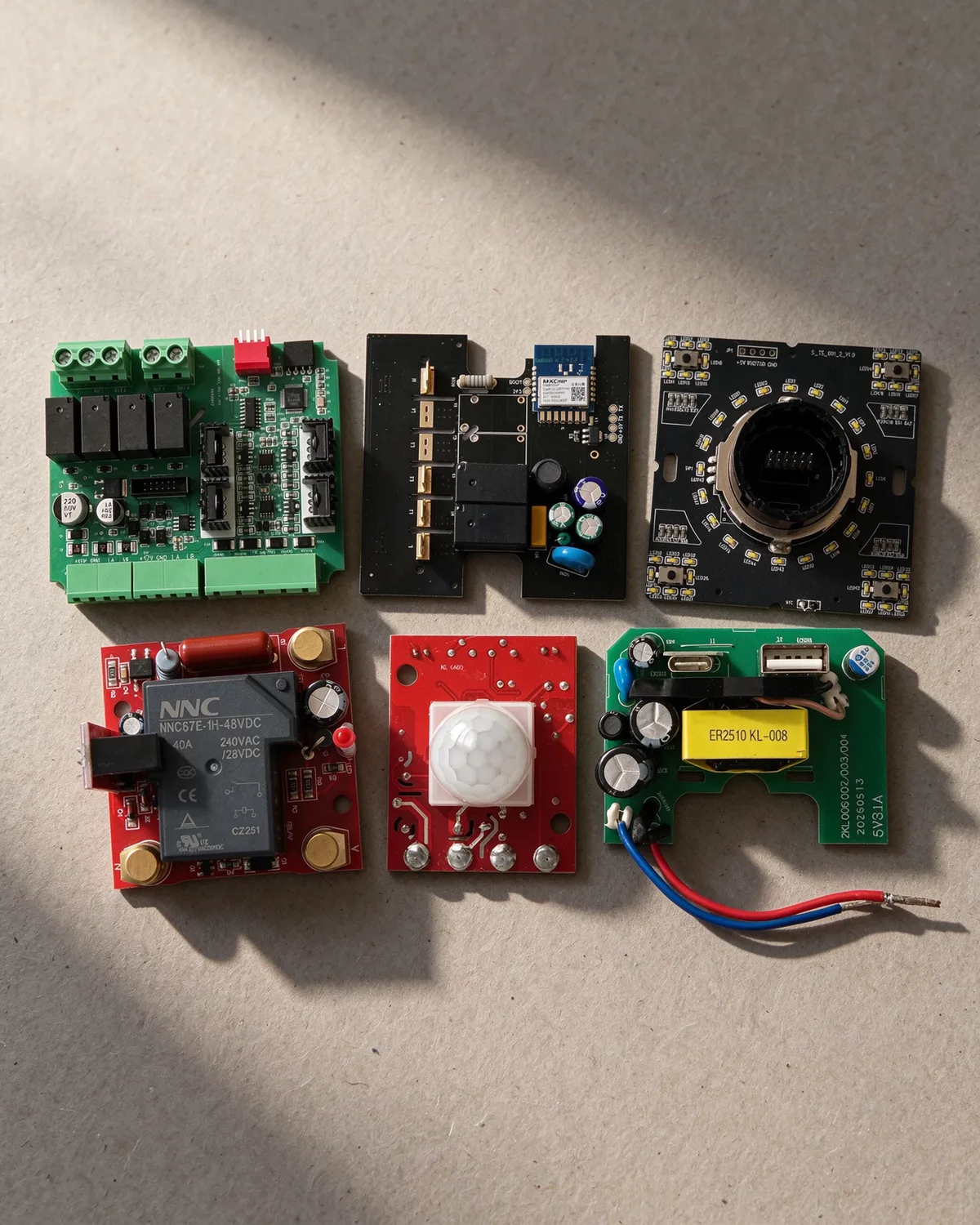
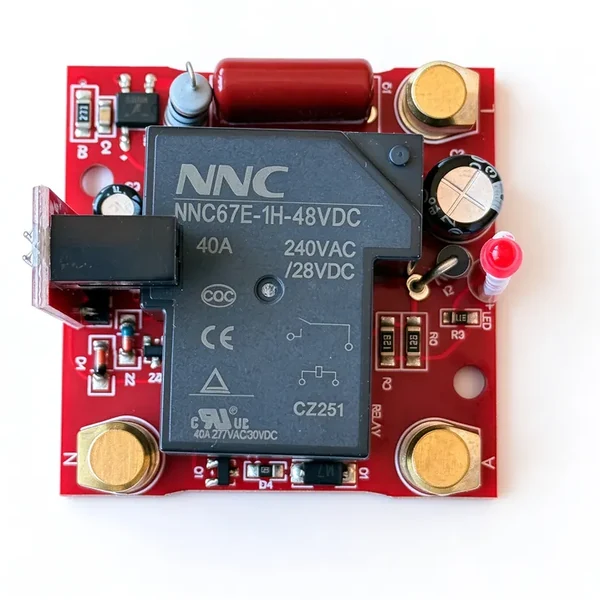
- Relay, dimming and sensor modules are selected as cards against the room schedule.
- Spare slots can cover a later phase or a change in room use without a new controller platform.
- Chassis location and power budget are fixed early; module count follows the zone matrix.
- The approach suits phased hotel fit-out, multi-room clusters and projects with an uncertain final scope.

Room package
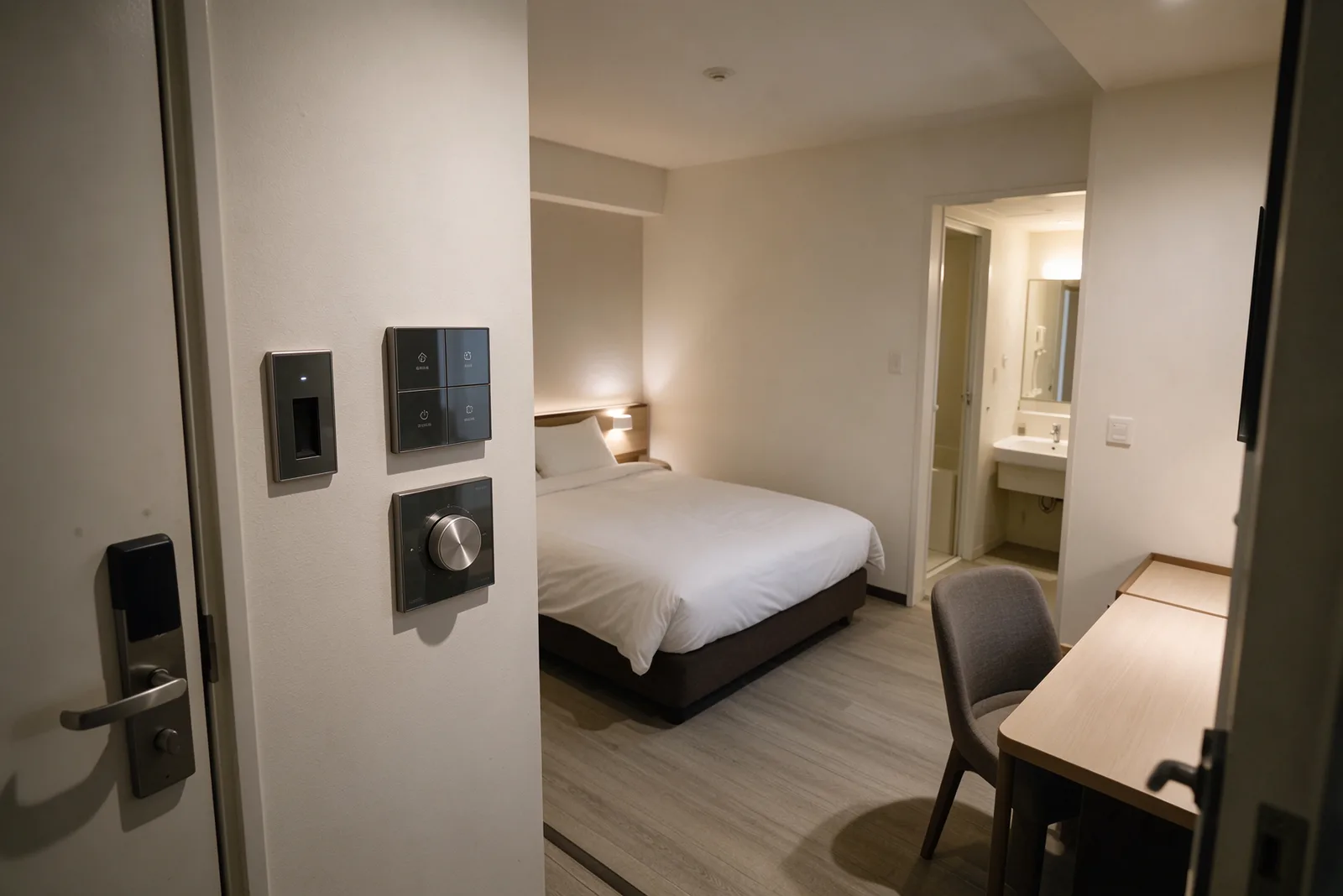
A modular room is specified as a chassis plus cards. The zone map shows what must be installed now and what can wait for a later phase.
Entry
Entry and status cards
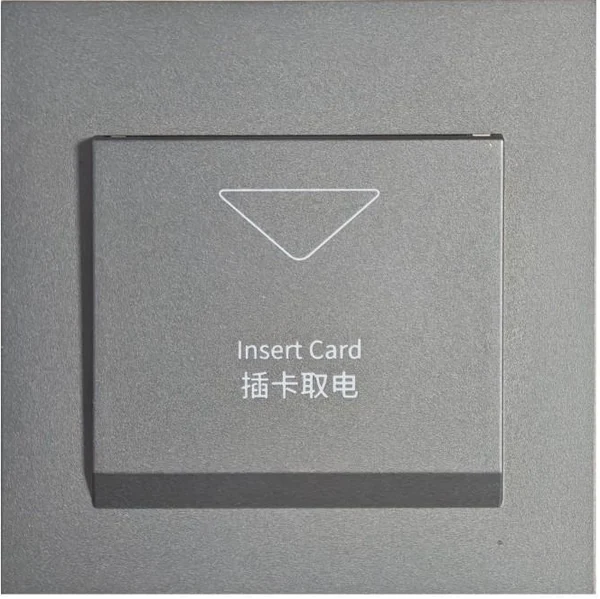
- Card-power module — Entry power
- QL-IND-001 — Status card
- QL-SOS-001 — Alarm card
Bedside
Scene and charging cards
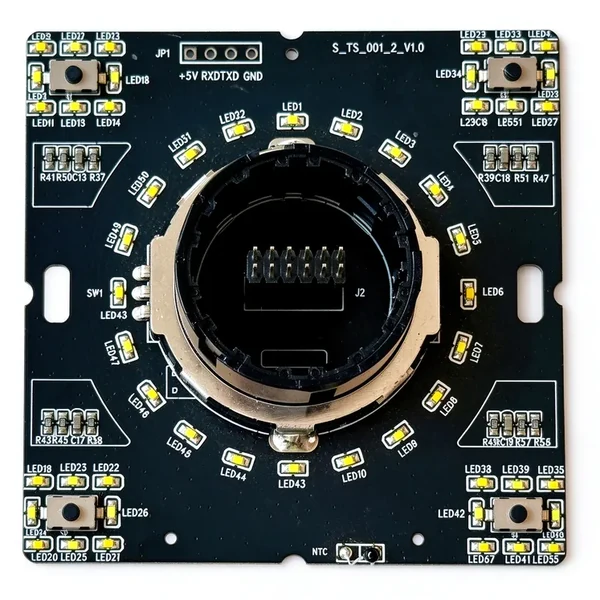
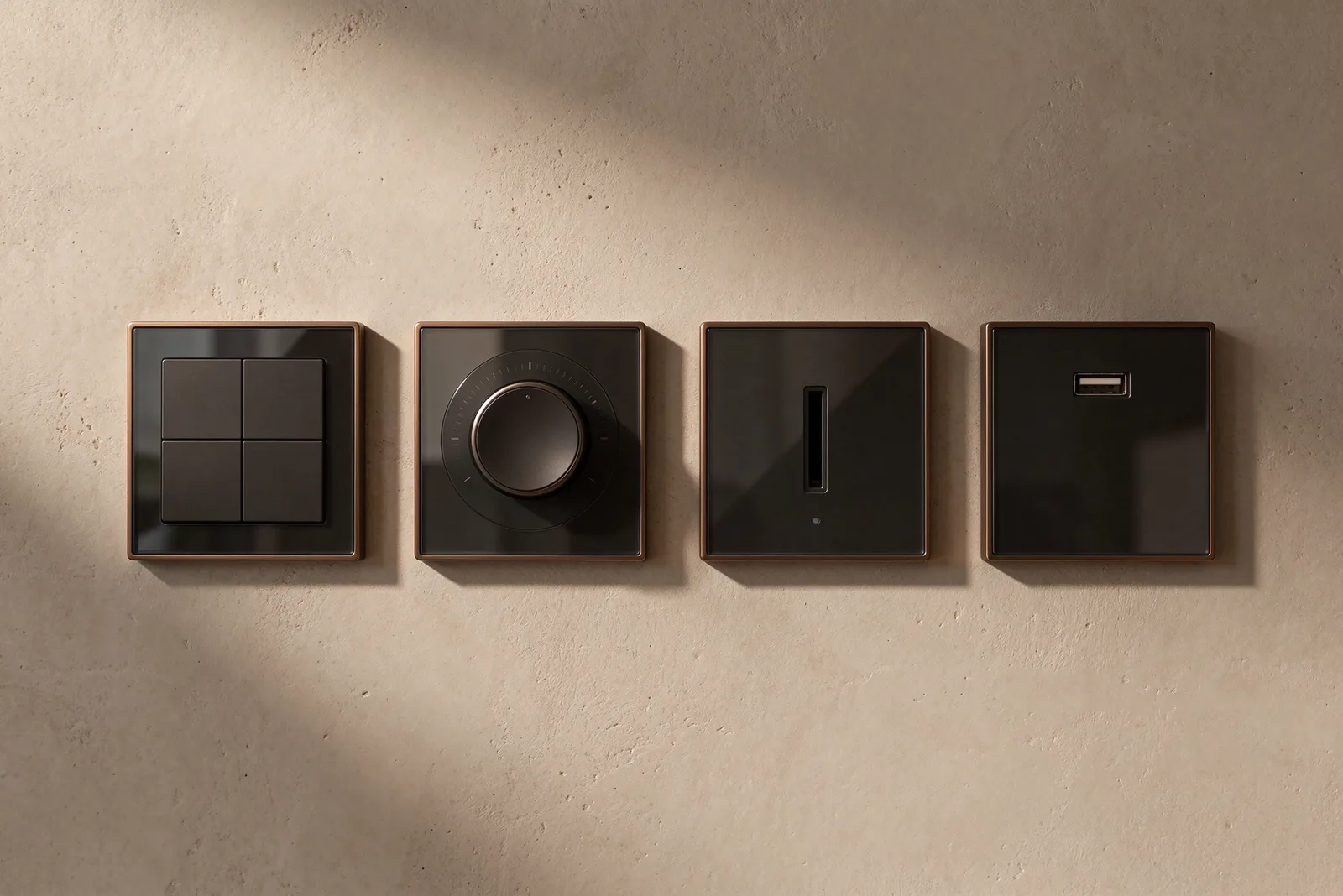
- Scene panel card — Scene control
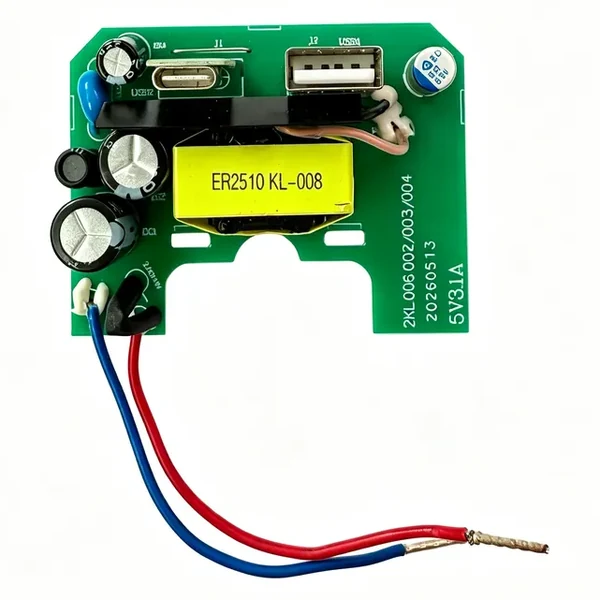
- USB module — Charging
- Spare slot — Future function
Climate
Relay, dimming and fan cards
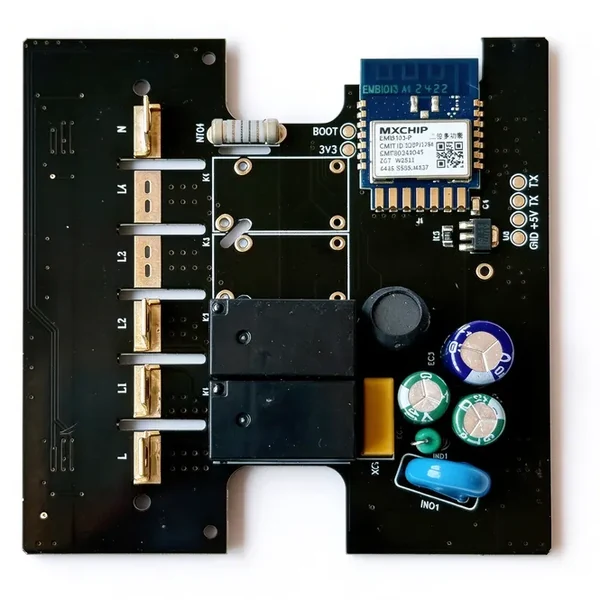
- Relay card — Lighting groups
- Dimming card — 0–10 V / phase
- Fan card — Fan speed
Safety
Sensor and emergency cards
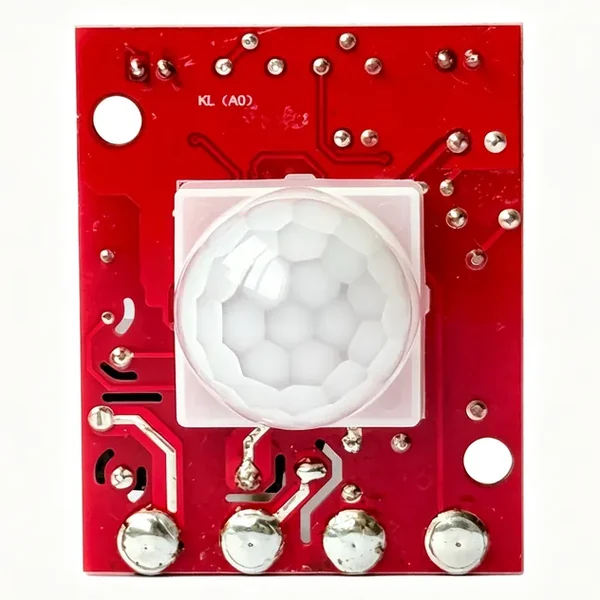
- PIR input card — Occupancy
- SOS relay card — Emergency call
- Spare input — Later sensor
Architecture
The chassis is the control head; the cards are the project-specific I/O. That separation is what makes staged fit-out possible.
Room field devices
Panels, sensors, thermostats and status hardware.
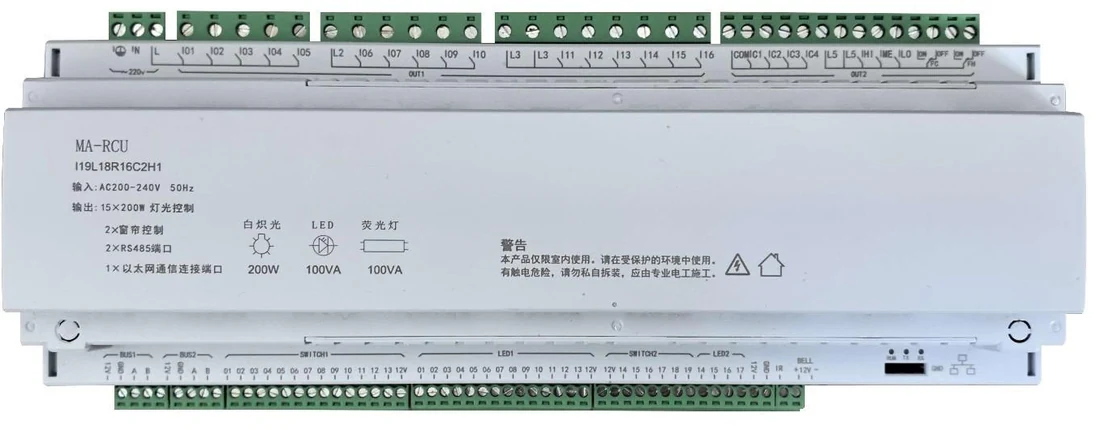
Modular chassis
Control head with relay, dimming and input cards.
Building interface
Front desk, BMS or remote operations.
Modular chassis — card plan.
The card plan is the cost and expansion control. It should show installed cards, spare slots and the function reserved for each slot.
| Layer | Typical hardware | Best fit | Confirm before quote |
|---|---|---|---|
| Chassis | Modular control head | Phased fit-out | Slot count and mounting location |
| Relay card | Lighting and load switching | Guestroom groups | Relay count and load type |
| Dimming card | 0–10 V or phase control | Scene lighting | Load compatibility and minimum load |
| Spare slot | Reserved for later phase | Expansion | Function and power budget |
FAQ
Is a modular chassis more expensive than a fixed controller?
It can carry a higher unit cost but lower change cost. The comparison should include spare slots, staged fit-out and the cost of replacing a fixed controller later.
Can a spare slot be activated after opening?
Yes, if the slot, power budget and terminal access were planned. Activating a card later still requires a configuration and test visit.
Which loads can a relay card switch?
It depends on the card rating and load type. Confirm the exact load, inrush and derating before specifying; do not use a generic catalogue headline.
Does the chassis support mixed protocols?
The head-end interface is fixed per project. Mixed field devices are reviewed against the controller and segment design, not assumed compatible.
What is the first document?
A room matrix and card plan, followed by the chassis drawing and terminal schedule.
Start a project review
Send the room schedule, target market and the released QL code or validation model you are planning with. The team replies with the model questions, document set and sample plan.